


Geoarchaeology
‘Geoarchaeology is the use of earth sciences to understand the archaeological record. It is a branch of archaeological science involving the study of stratigraphy, sites and landscapes with techniques from soil science, sedimentology and geology.’
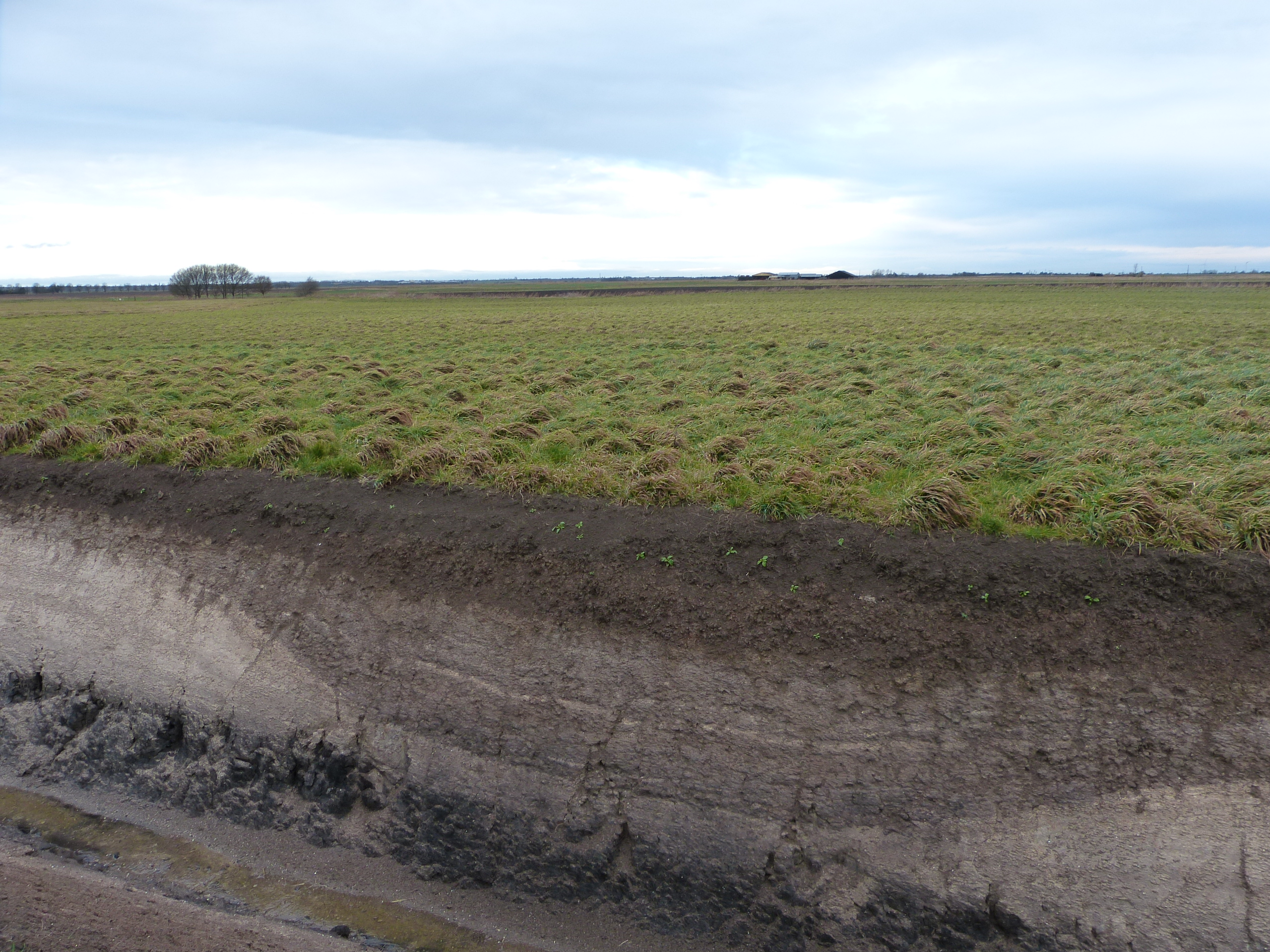
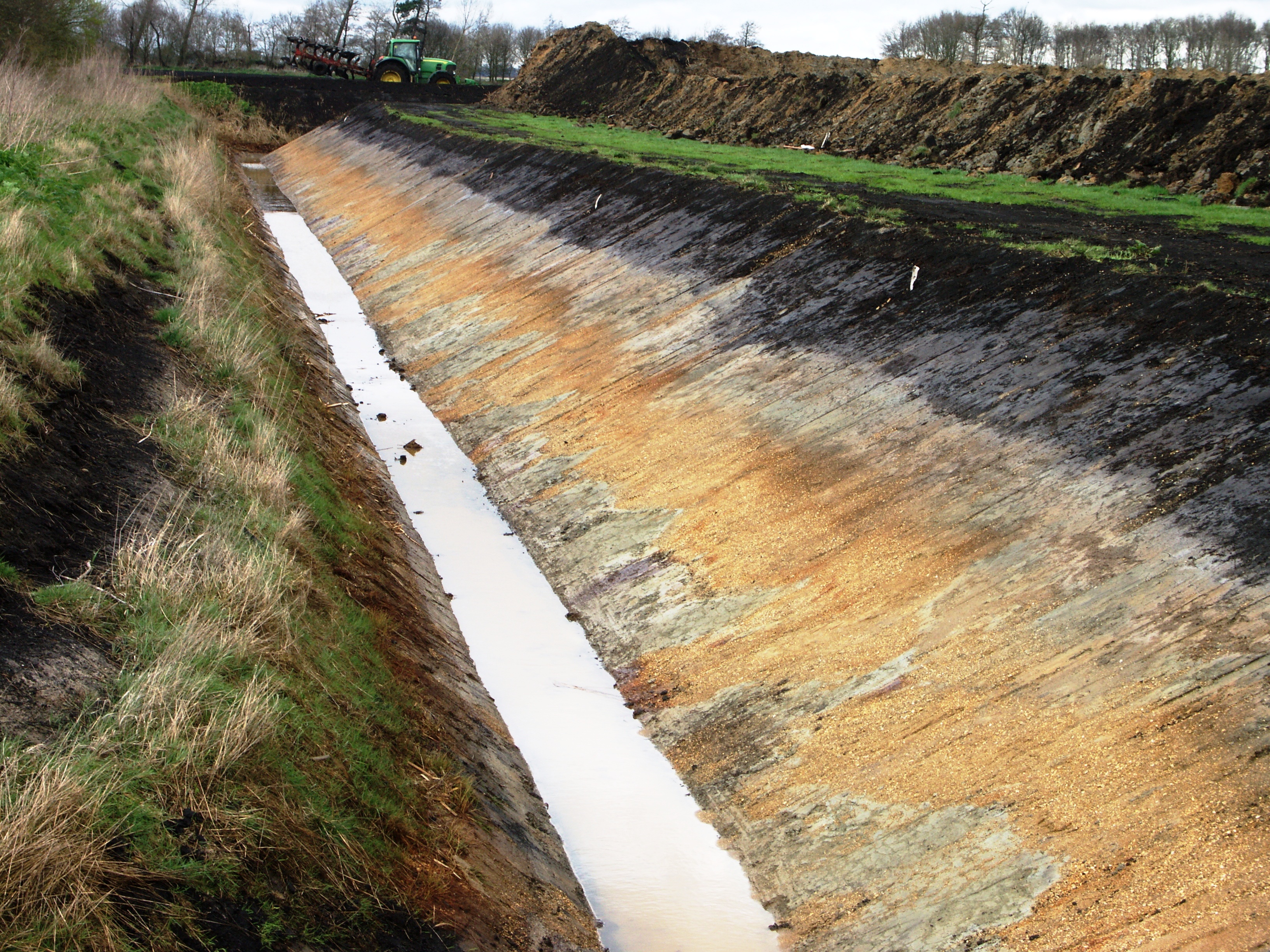
Cambridgeshire is of great value for its geoarchaeological potential due to its extensive Quaternary geology, particularly the Holocene deposits in ‘the peatlands’ of the Fens. Several sites of national, even international, importance have been excavated or are in the process of being researched. There is the possibility of many more sites of significance being discovered in the future.
Local geology, soils, topography and river systems have a direct and intricate relationship with archaeological discoveries and processes, with geology playing a key role in landscape formation, settlement pattern, agriculture and transport, as well as resources for ancient building and artefact materials.
There is information on the Fens and their history on our Fen Edge Trail website where you can download Walk Guides that include information on the archaeology and geology of different areas of fenland. It also has detailed information on the Holocene sediments that have played such an important part in revealing the environmental and human history of the last several thousand years. These include the extensive deposits of tidal clays and silts from marine incursions and the remains of peat fens and bogs that developed once freshwater marshes had become establisd.
Local sites and projects (from other organisations) include the following:
Our Geodiversity Landscapes pages give more information on the geology of Cambridgeshire including the landscapes of the fenland.


