



- This event has passed.
Ruth Siddall – The Geology of Roman Wall Painting: pigments and plasters
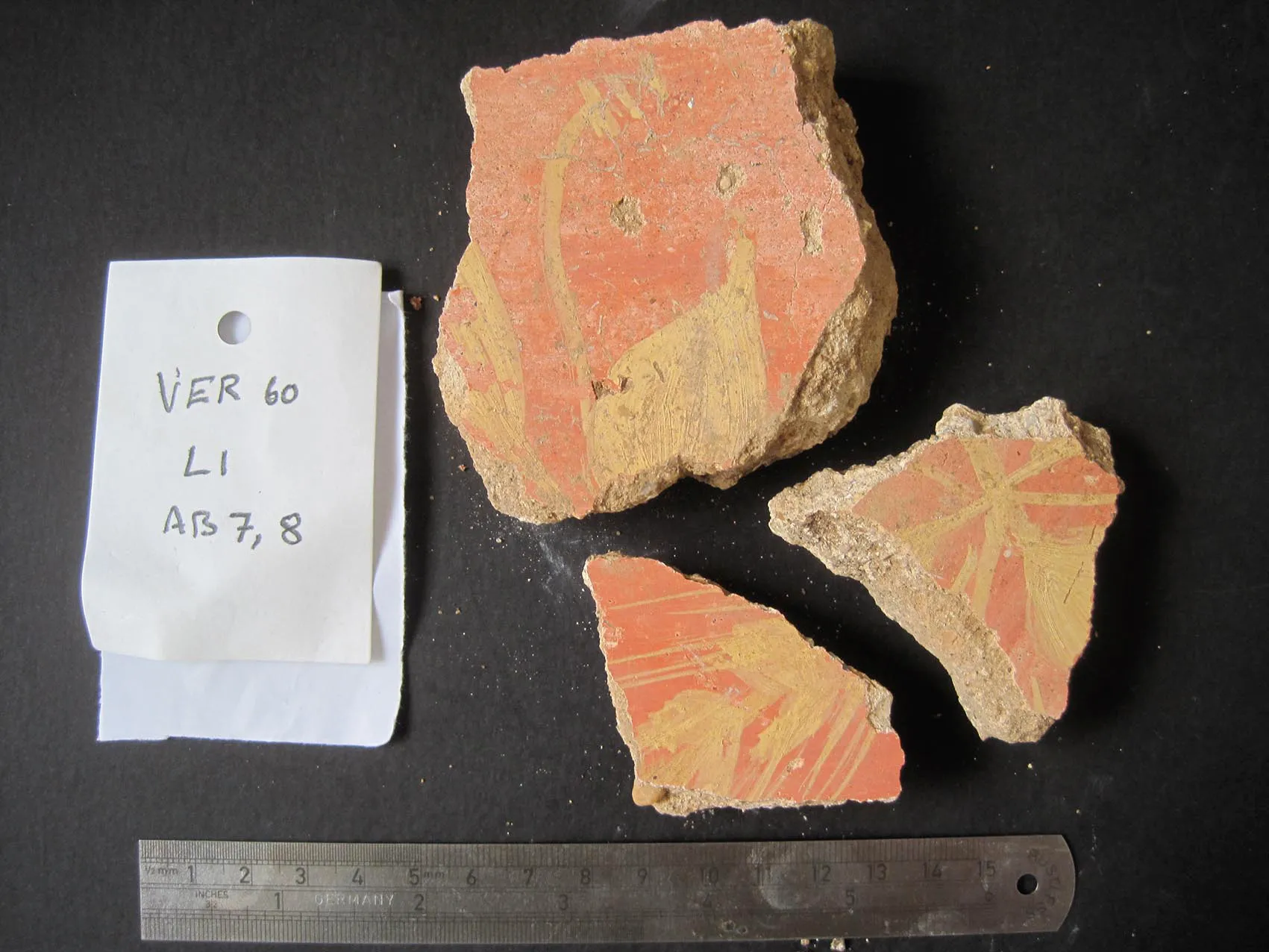
Roman artists and plasterers were both receptive and innovative in their painting techniques. Roman pigments were derived from animal, vegetable and mineral sources and artists adopted materials and techniques from the artistic traditions of Greece and Egypt. This left them with a rich palette of paints, of both synthetic and natural origins which led to the development of a colourful urban environment which we can only catch glimpses of today. Roman wall-painting was coeval with the evolution of wall plasters which formed their substrate. These materials were equally manufactured to specific recipes and applied meticulously in a manner that would leave a legacy for wall painting throughout the Medieval and Renaissance periods and are still used for wall-painting traditions in the present day. The majority of these materials being minerals or synthetic analogues of minerals, means that the techniques routinely used by petrographers are particularly apt in their analyses. This talk will present an overview of Roman painting techniques based on the examination of Roman paintings and painting materials, across the extent of the Roman Empire, from Edinburgh to Egypt.