Two new LGS

Two new LGS

Two new LGS


In October 2022, two new sites were designated as Local Geological Sites.

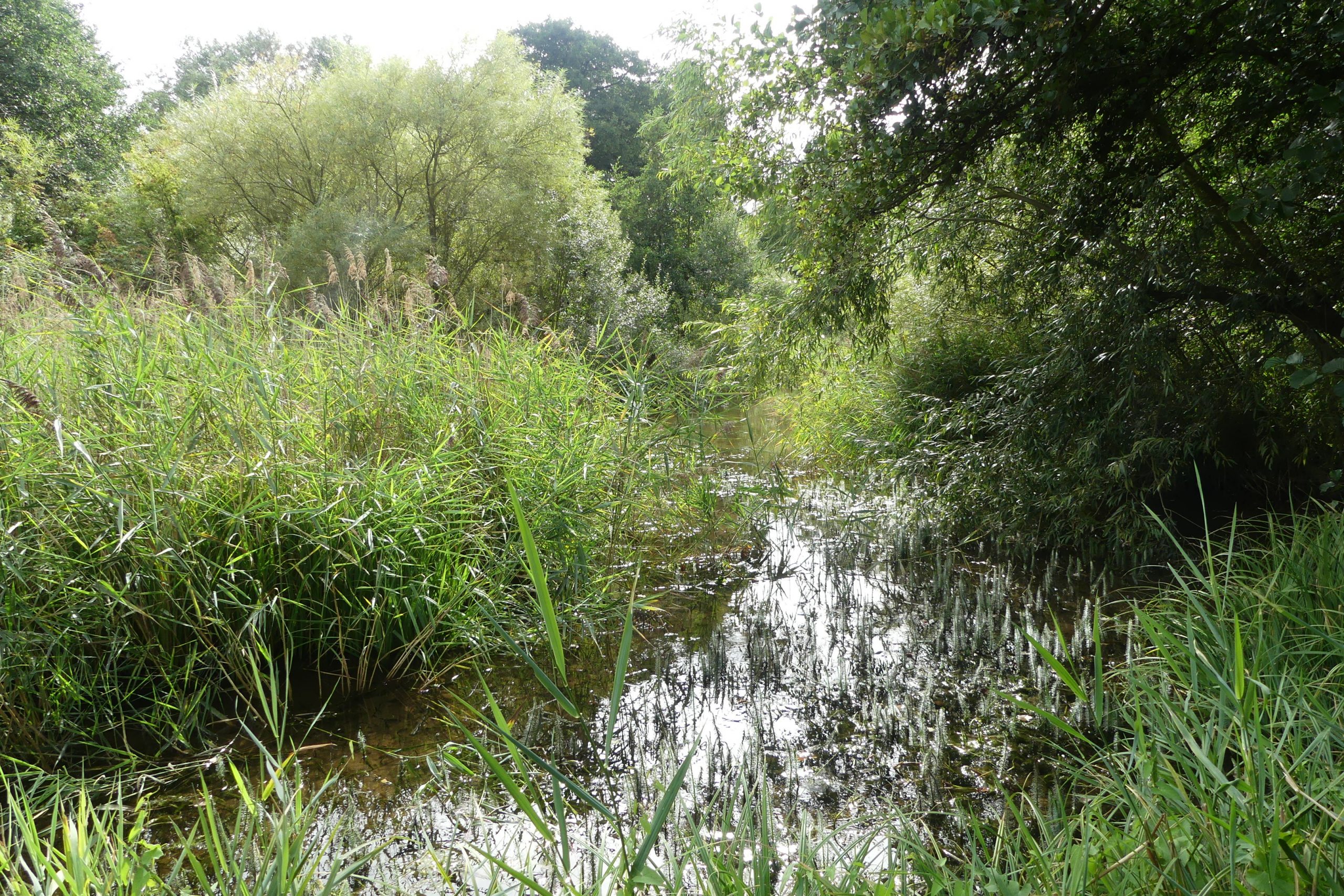
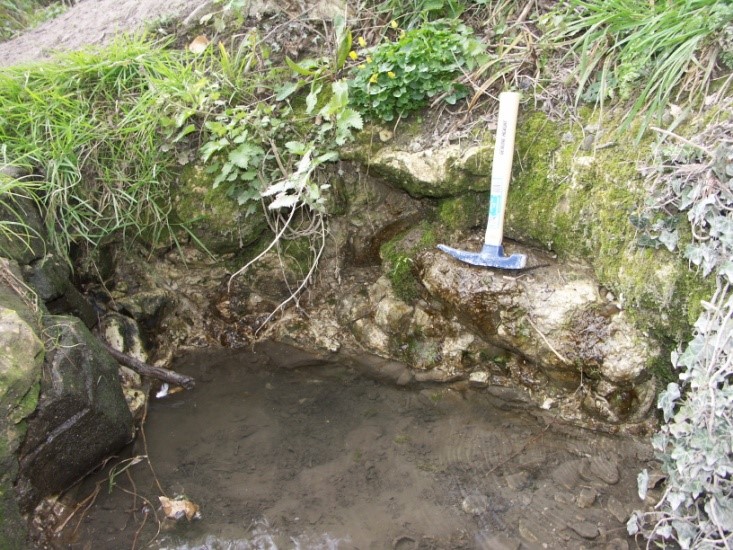
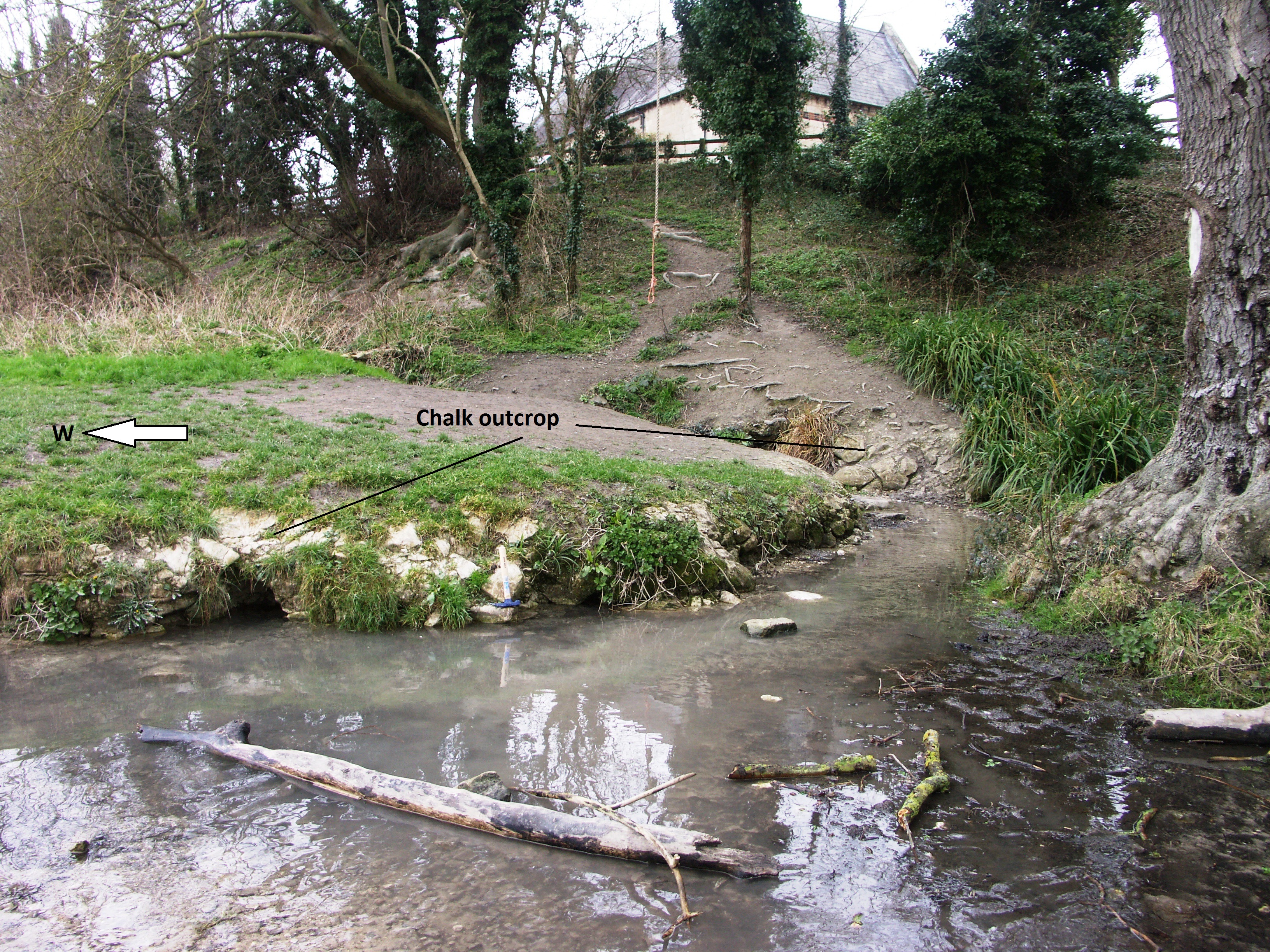
The first, Fowlmere Springs LGS, contains the most extensive collection of chalk springs in the county – the RSPB nature reserve of Fowlmere. The site is famous for its watercress beds and the history of their farming. A feat of engineering geology was accomplished by enhancing the intermittent water flow from the springs to produce a more reliable supply. Pipes were inserted down to the water source, the bed of the Totternhoe Stone which occurs here at some depth.  This is the same horizon that produces the springs at Nine Wells, Giant’s Grave and Burwell due to its highly fissured nature and its position above the more impermeable West Melbury Marly Chalk.

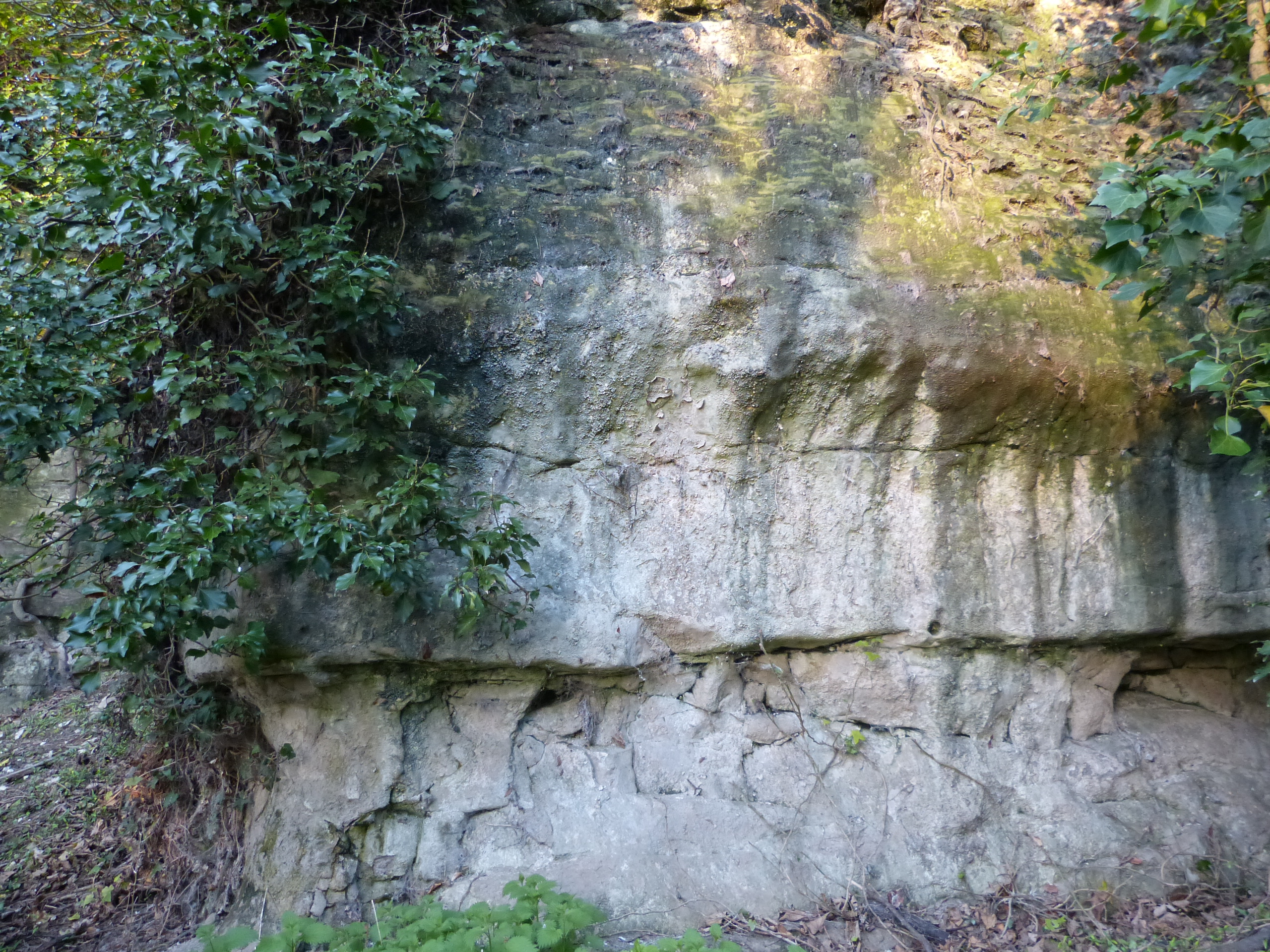
The other site is Stapleford Parish Pit, now owned and managed by the Magog Trust. This is a typical Cambridgeshire parish pit used to extract ‘clunch’ for local building works. It has exposures of New Pit Chalk, the horizon above (and, therefore, younger than) the Holywell Chalk seen in the tops of the cliffs at East Pit LGS, Cherry Hinton.

This brings the total LGS in Cambridgeshire to 8 (in addition to 6 in the Peterborough District). Another 7 ‘candidate’ LGS were also proposed making a total of 17 sites that we are now looking at putting forward for LGS designation in future.  More information on LGS here.
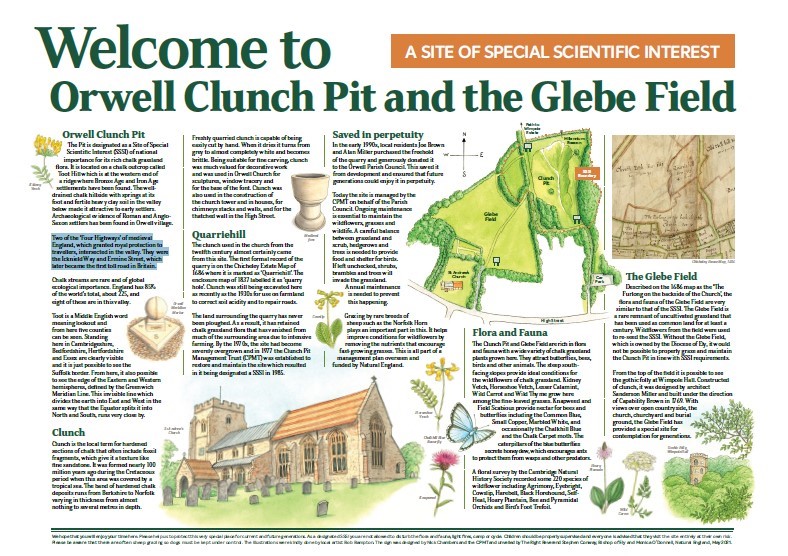
Orwell Clunch Pit now a LGS

Orwell Clunch Pit now a LGS

Orwell Clunch Pit now a LGS


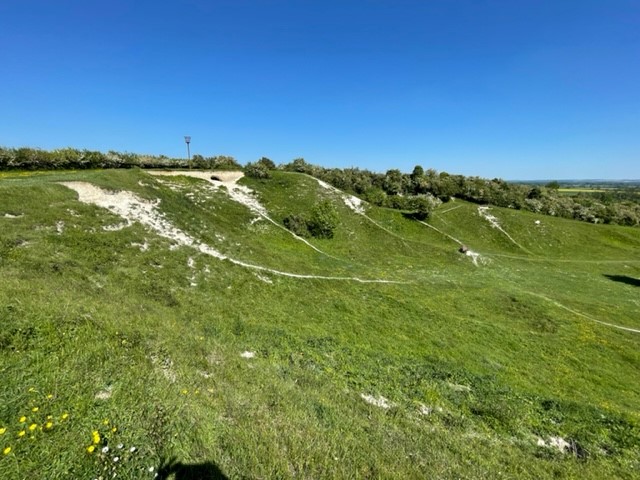
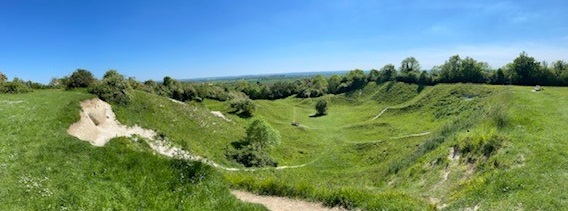
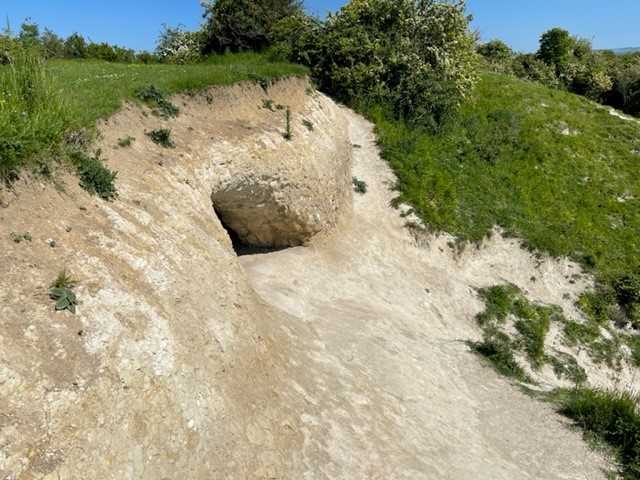
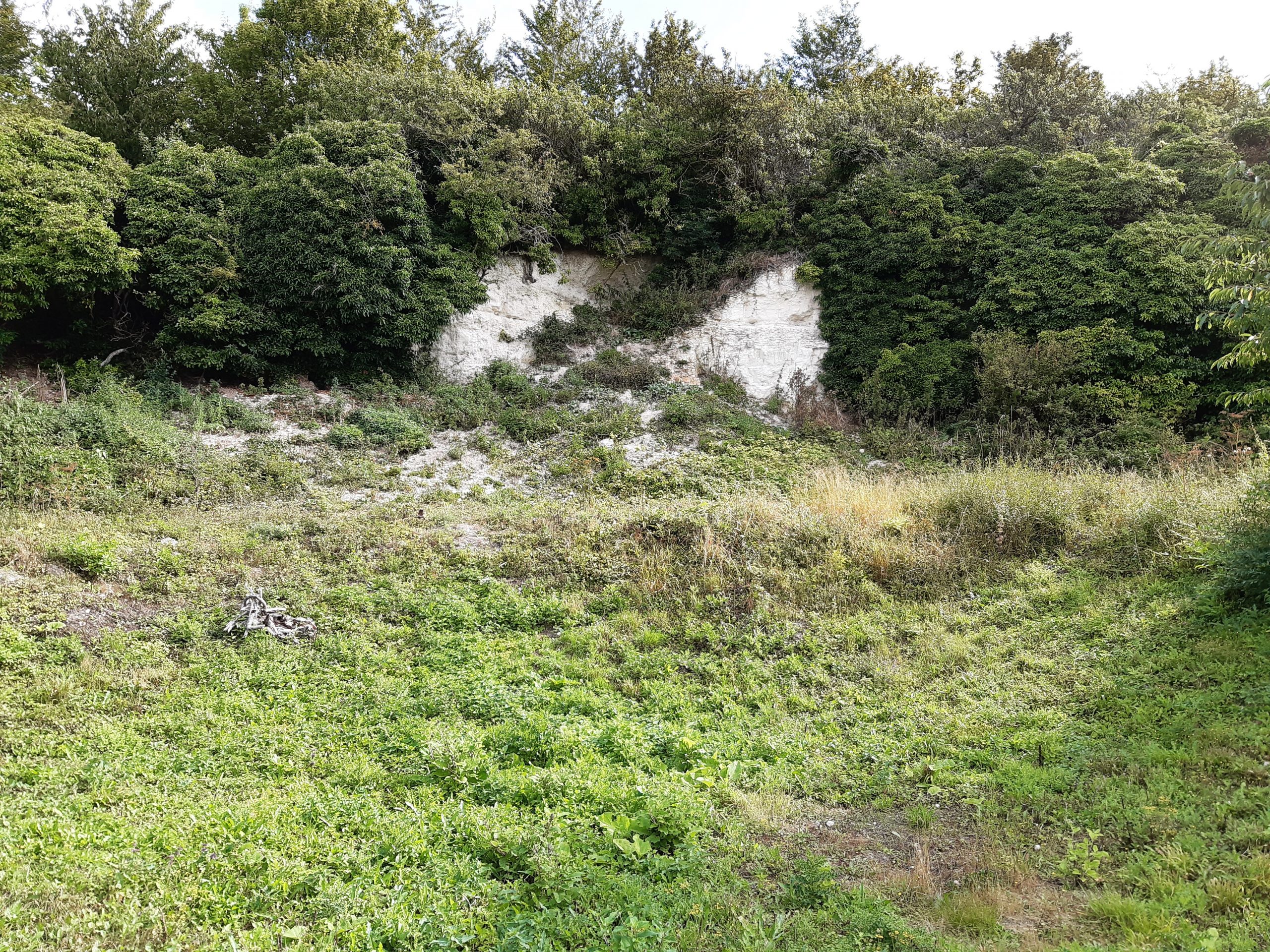
Orwell Clunch Pit was designated a Local Geological Site in October 2021. The pit is also an SSSI for its chalk grassland flora. It is owned and managed by the Parish Council and is an attractive local ‘greenspace’ with wonderful views across the Rhee Valley to the chalk hills near the county border.

The chalk in the pit is the West Melbury Marly Chalk, the lowest of the Chalk strata and known as being clay rich and less permeable than the overlying purer Chalk. Although not know for its quality as a building stone, as shown by the history of this pit, some of the ‘clunch’ quarried here was good enough for use in some local buildings such as the church.

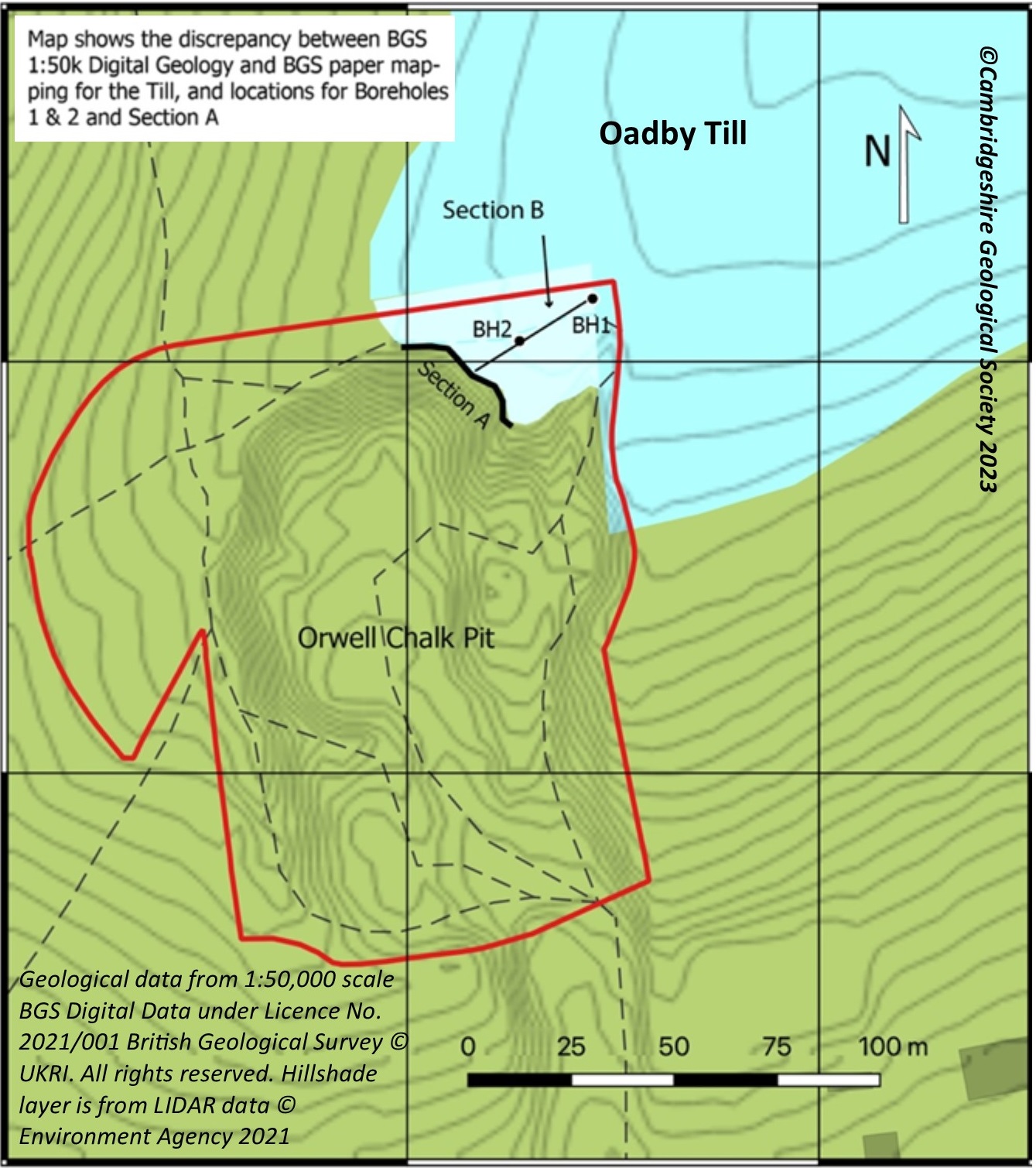
The site is of particular geological value for the periglacial features at the top of the Chalk cliff, which include brecciated Chalk within which there are involutions filled with Glacial Till of Anglian age. More info here.

Two new LGS at Burwell

Two new LGS at Burwell

Two new Local Geological Sites designated at Burwell

We are very pleased to announce that our latest proposal for designation as  Local Geological Sites (LGS) were recently (October 2020) approved by the County Wildlife and Geological Sites Panel.

The two sites, 400m apart in Burwell, Cambridgeshire are linked by the presence of the Cretaceous Grey Chalk Totternhoe Stone horizon – a famous and ubiquitous , East Cambridgeshire building stone.

The two sites, Carter’s Pit and Castle Spring, have been chosen due to their importance both to the area and to the understanding of the local geology.

More information regarding these sites can be found hereThe CGS led a field trip to the Burwell Geological sites in June 2021. A report on this trip can be found here.

The sea in the Fens

The sea in the Fens

The sea in the Fens

The Fens have been inundated by the sea on various occasions as shown by the marine silts and clays that can be found over large areas, even in the southern fenland of Cambridgeshire. The complex history of freshwater marshes changing to salt marshes and back again, for example in the Late Neolithic/Early Bronze Age and in Romano-British times, has left interwoven peat and silt/clay layers that reveal the timing and extent of the ‘flooding’ in each local area. See the Fen Edge Trail website for more information.

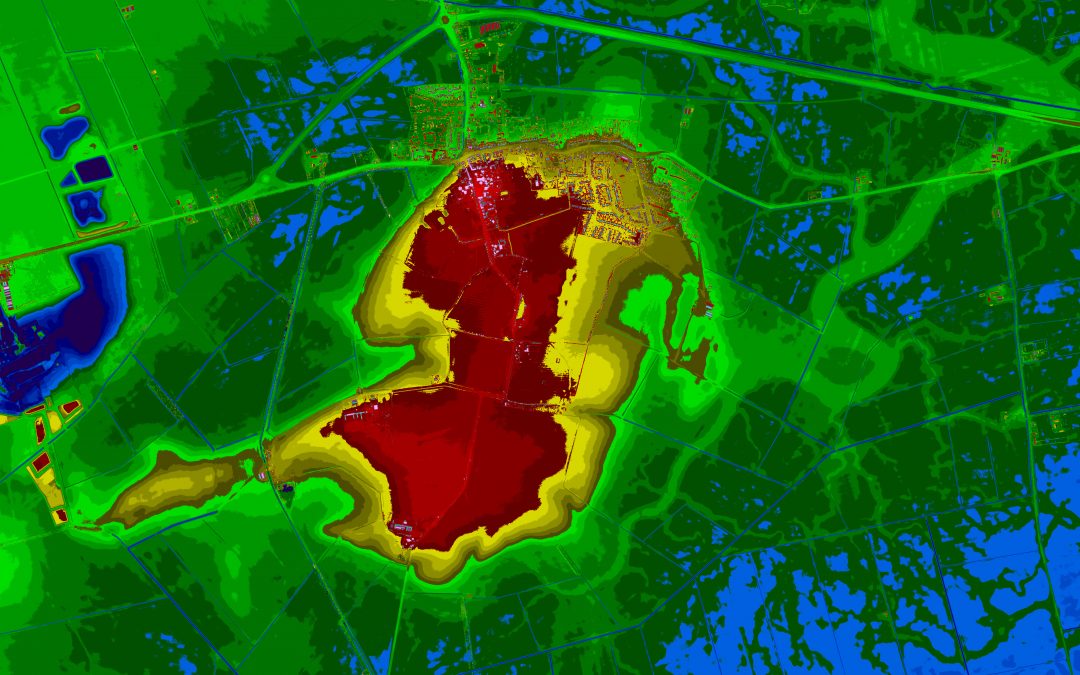
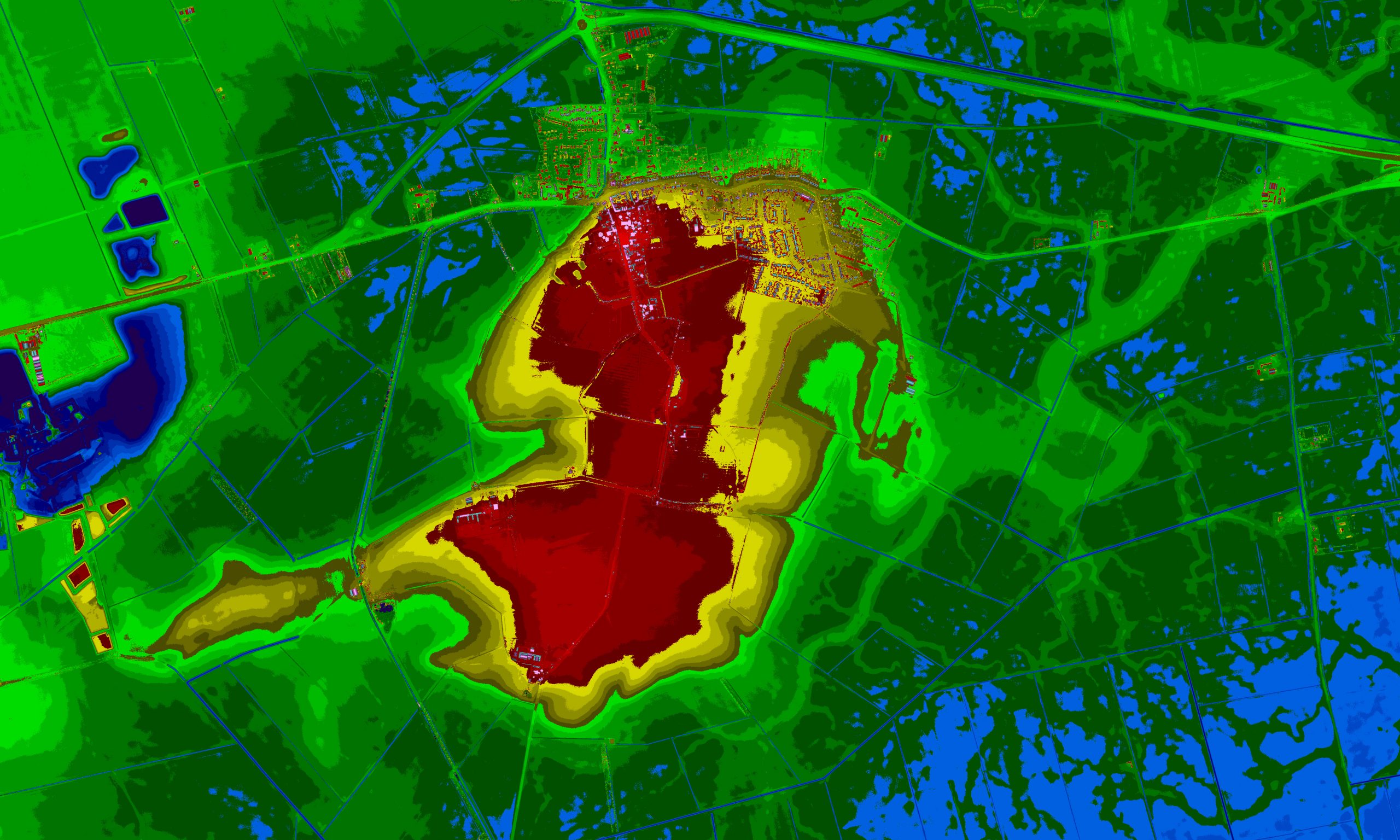
A lidar image of the island of Thorney shows the remnants of tidal creeks (roddons) in the surrounding fields (often visible by the change in height and colour of the soil).

New Local Geological Site: The Great Fen

New Local Geological Site: The Great Fen

New Local Geological Site

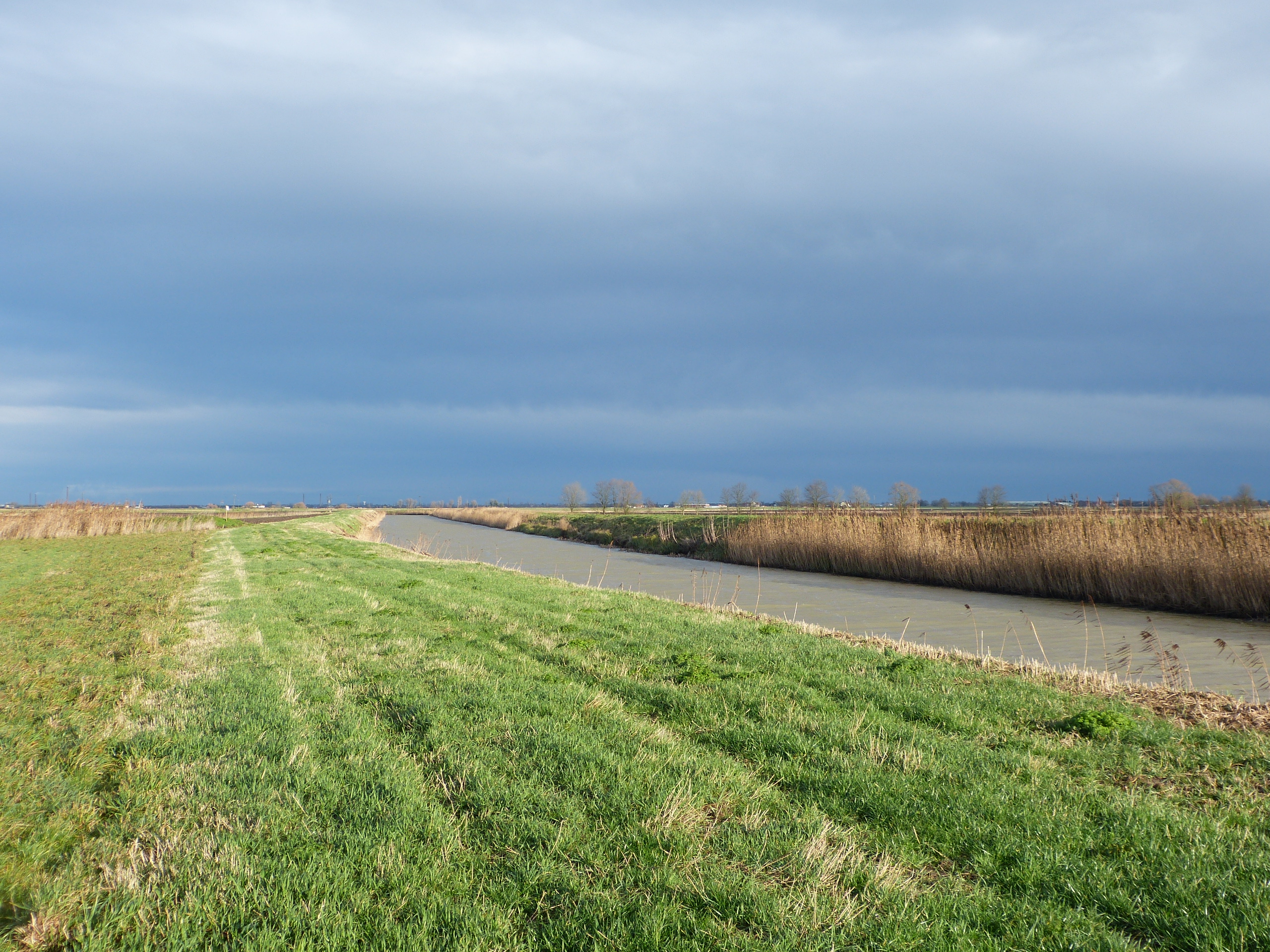
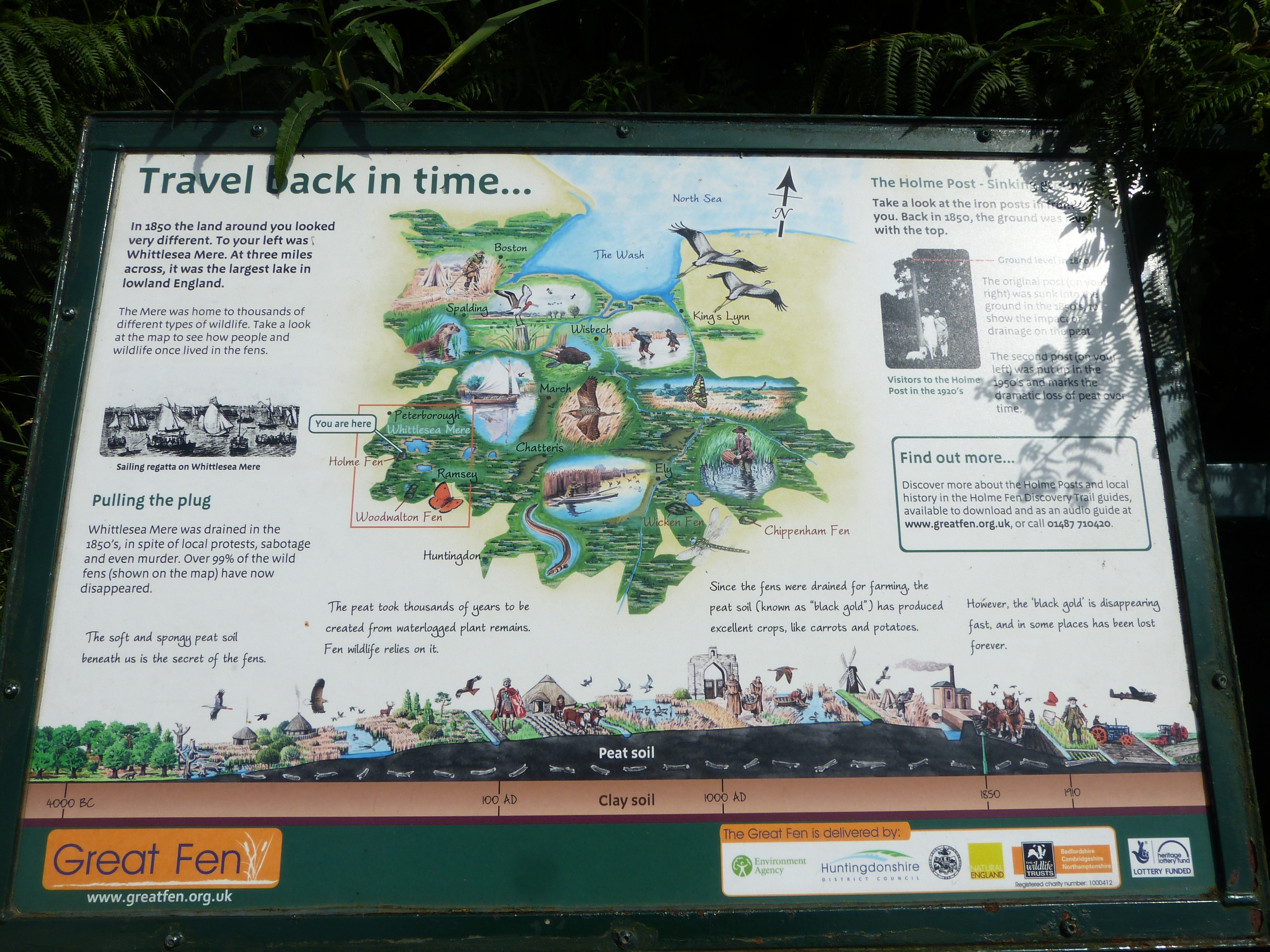
The Great Fen: Holme Fen and Whittlesea Mere LGS


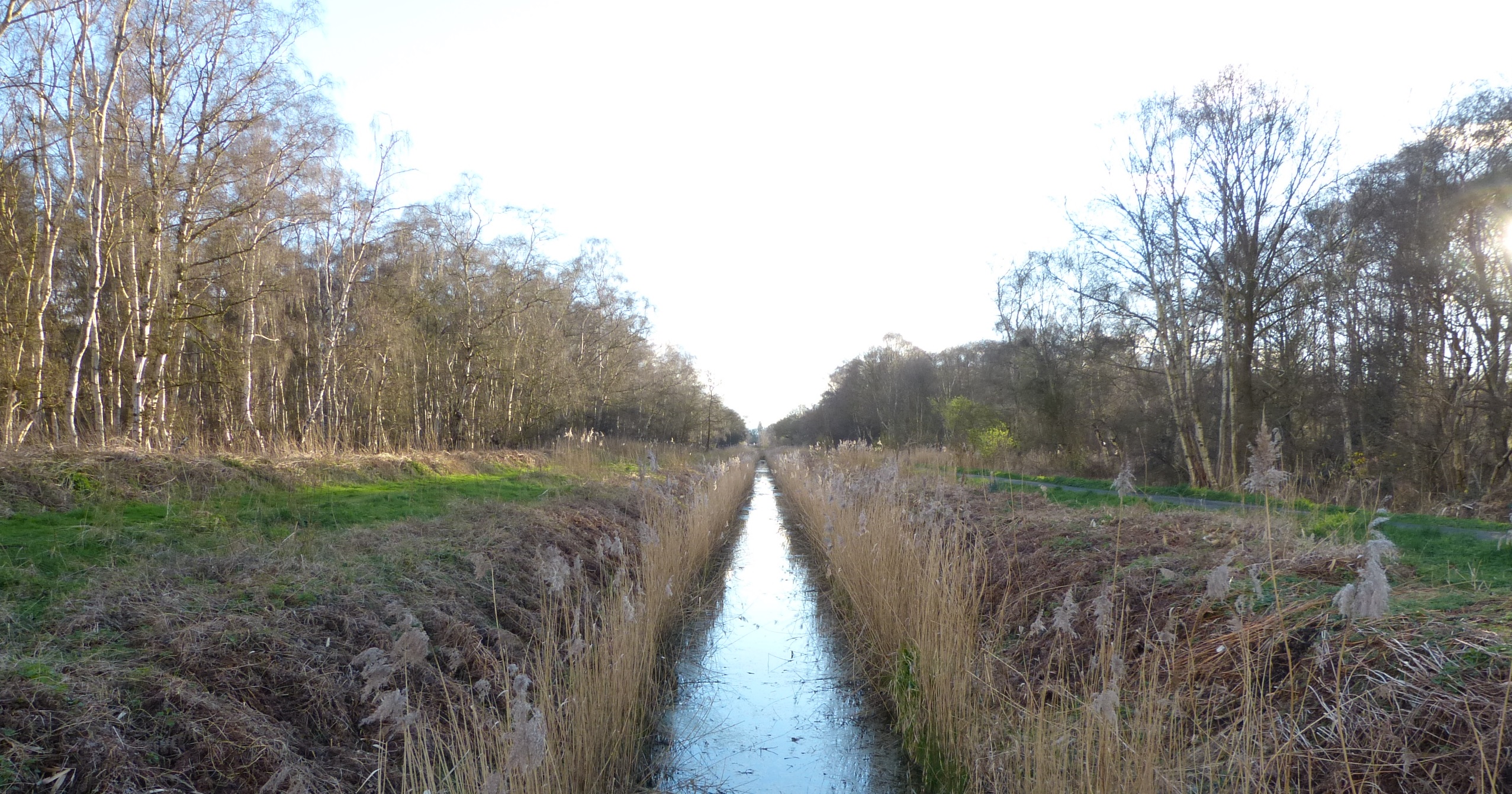
We are very pleased to announce that our latest proposal for designation as a Local Geological Site (LGS) was recently (Feb 2020) approved by the County Wildlife and Geological Sites Panel. The site is the Great Fen: Holme Fen and Whittlesea Mere LGS and comprises the land in the northern part of the Great Fen that is owned by The Wildlife Trust BCN and Natural England. We are grateful for the help of Dr Steve Boreham (University of Cambridge) who will be representing CGS on the Great Fen Joint Technical Advisory Committee.

The site has qualified as an LGS under all four categories – Scientific, Historical, Educational and Aesthetic.

For more information see The Great Fen LGS page

For more information on Local Geological Site designation see Local Sites.